Speculative Fiction
Article 13ACT IV · A FUTURE THAT DID NOT HAPPEN
The Morning the Maps Changed
A dispatch from an imagined future
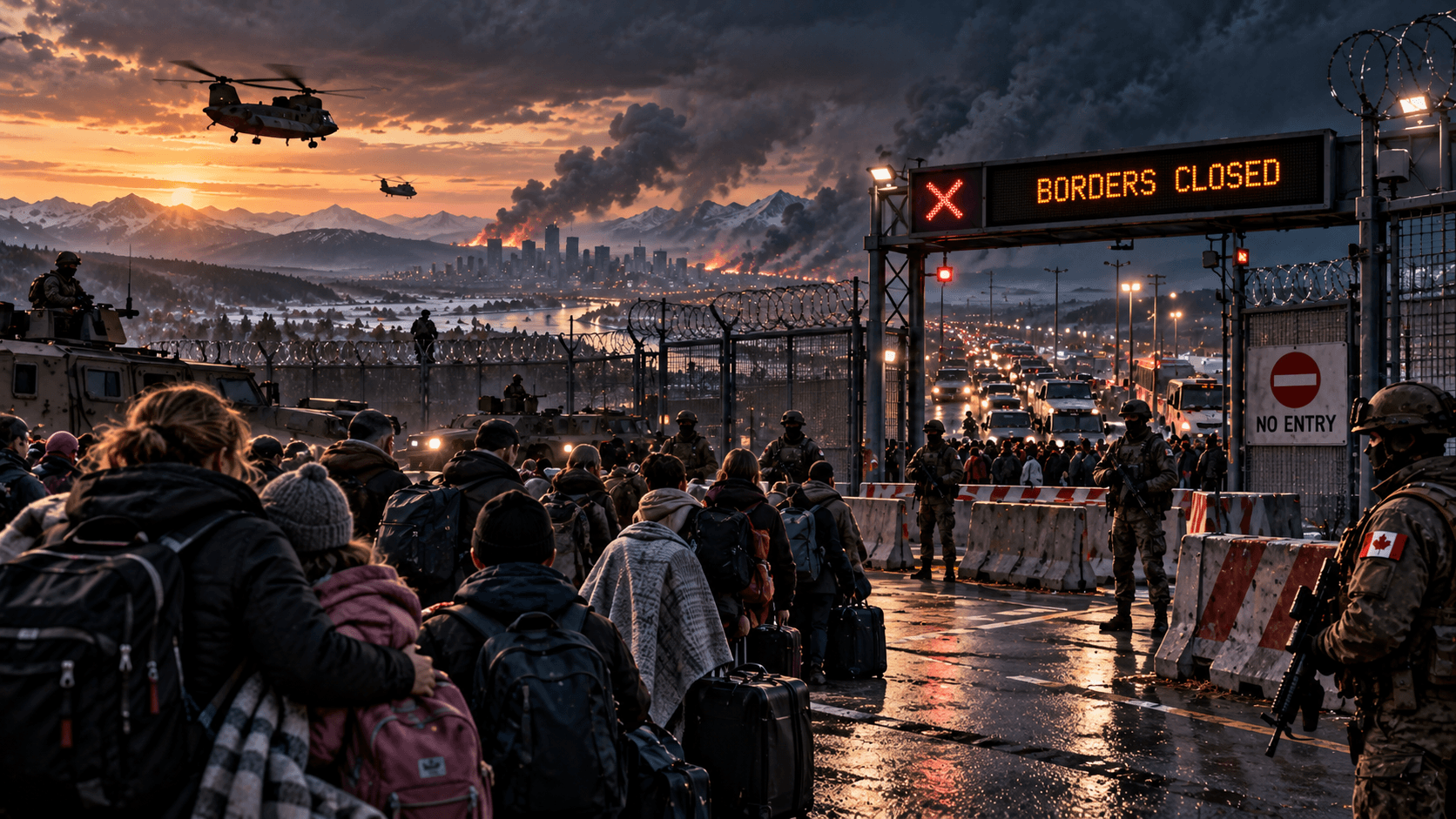
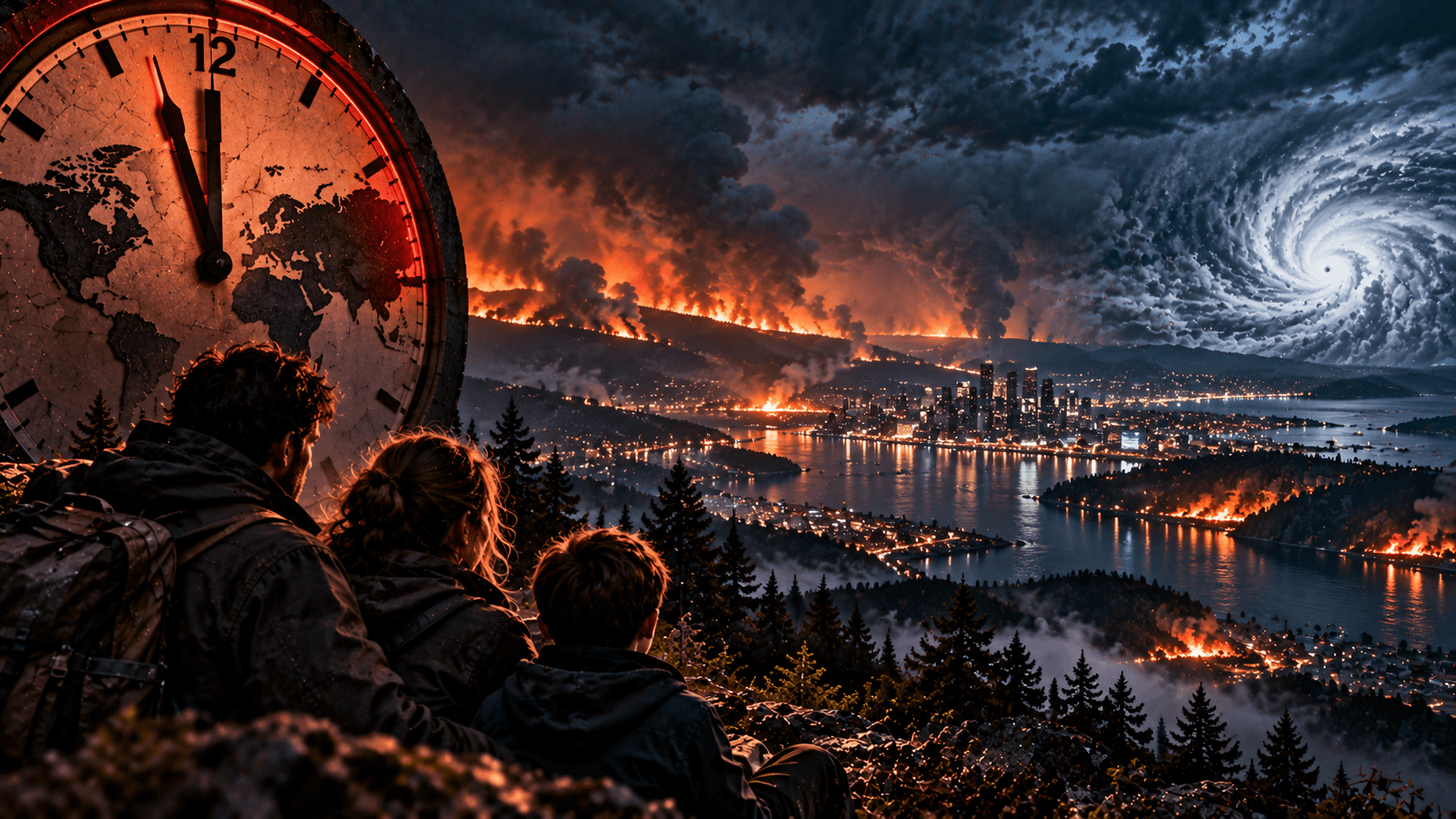
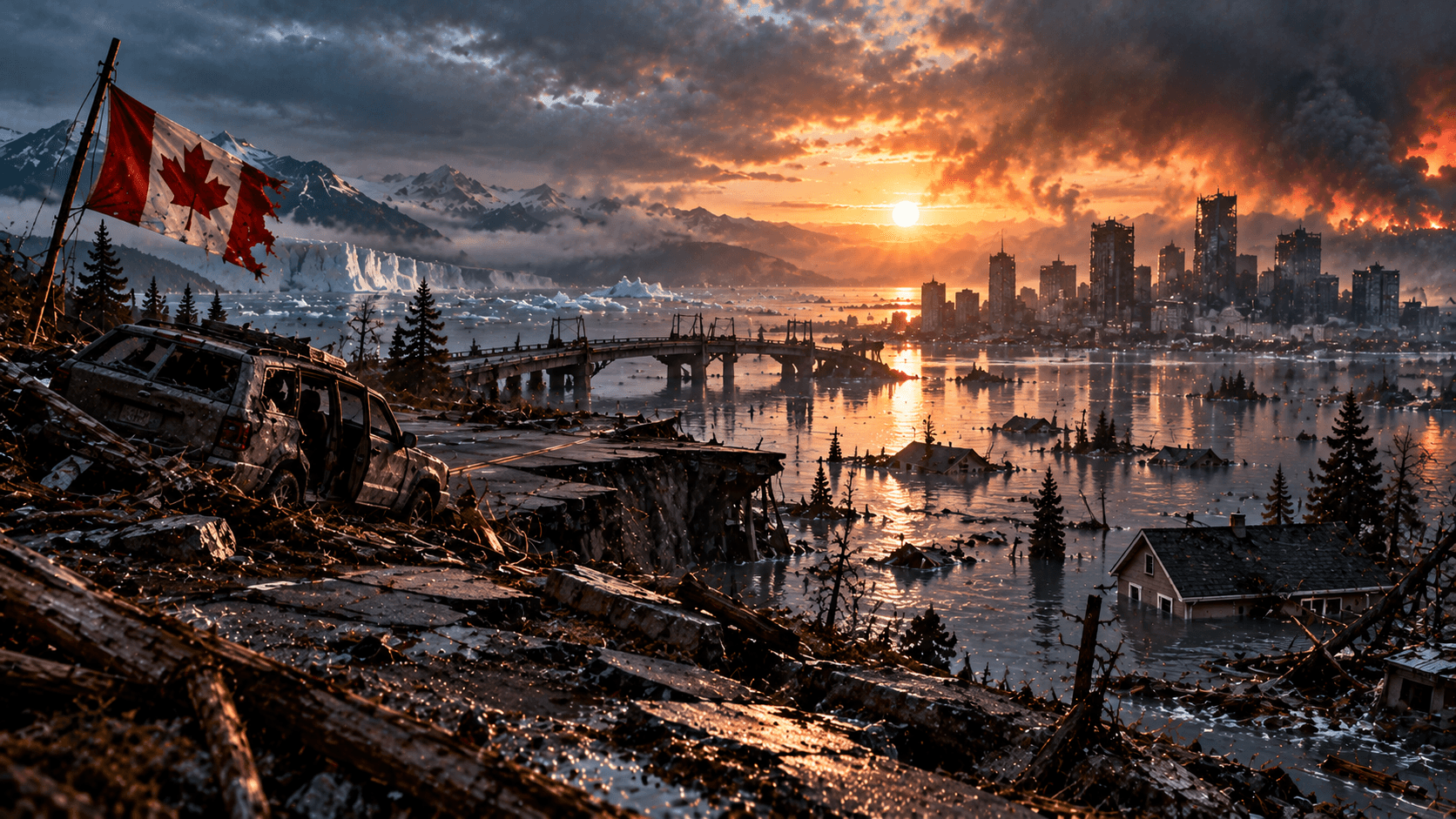
AI-generated illustration. Not a photograph of a real event.
SPECULATIVE FICTION — The following events, reports, quotations and characters are imagined. They are not accounts of events that have occurred.
The first thing that disappeared was certainty. Not electricity, not food, not the internet. Certainty. The ships were still moving. Airports were still announcing departures. People were still buying coffee on their way to work. But across the Pacific, governments were making decisions whose consequences could no longer be confined to their own shores.
It began, according to the fragments of information that survived the first forty-eight hours, with an order issued at sea. Chinese authorities announced a maritime inspection zone around Taiwan and instructed commercial vessels to submit to new clearance procedures. Beijing called it a security measure. Taipei called it a blockade. Washington warned against interference with civilian shipping. Each statement was precise enough to defend its author and ambiguous enough to terrify everyone else.
The first container ship to turn away did not make headlines. The twentieth did. By the time insurers began suspending coverage for some voyages, the problem was no longer whether a naval confrontation would occur. The problem was that ordinary commerce had started responding as though one already had.
At a port thousands of kilometres away, a dispatcher watched the arrival board change. A shipment of electronic components moved from Tuesday to Friday, then to “pending.” The dispatcher had no opinion about sovereignty claims in the Taiwan Strait. He had employees whose shifts depended on those containers. The first casualties of an economic shock are not always people who appear in a casualty count.
The second shock came from the Korean Peninsula. Artillery exchanges along the border were followed by accusations neither side could independently verify. South Korean authorities ordered precautionary evacuations near exposed areas. North Korea declared that any further action would be treated as an attack. The world’s governments issued statements calling for restraint. The markets were already behaving as if restraint had failed.
Japan began moving defensive assets and preparing civilian facilities. Its leaders insisted the deployments were protective. That was true. It was also true that every aircraft placed on alert could be interpreted differently by someone watching from the other side of the sea. In a region crowded with weapons, protective action and threatening action can look remarkably alike from a distance.
By the third day, information itself had become a contested border. A video circulated showing flames at a major airport. Another claimed to show a passenger ferry struck at sea. Both were shared millions of times before either could be authenticated. One proved to be footage from an earlier accident; the other had been manufactured. The corrections traveled slowly. The fear had already arrived.
For families living near the first confrontation, these distinctions mattered desperately. They needed to know which roads were open, whether schools would shelter children, and which messages came from emergency officials. Instead, every new alert arrived beside a dozen imitations. A society cannot coordinate a response when people are forced to guess whether the warning itself is real.
Then came the economic arithmetic. Ships avoided contested waters. Freight rates rose. Factories with no direct connection to the fighting began reducing production because parts had not arrived. Hospitals checked inventories of imported supplies. Farmers learned that another jump in diesel and fertilizer costs was possible before their next planting season. None of these problems was new. That was what made them dangerous: households and businesses had already spent years adjusting to shocks that were supposed to be temporary.
In Europe, officials met through the night to determine what assistance they could provide without weakening their own defenses. In the Middle East, governments watched shipping and energy markets with growing alarm. Across Africa, aid agencies calculated how many deliveries might be delayed if fuel prices rose again. The conflict had not reached those places. Its consequences had.
The most unsettling development was not a declaration of war. It was the disappearance of dependable boundaries. A cyber incident affecting a regional logistics network was attributed to a foreign actor before investigators had finished their work. A naval patrol approached a merchant vessel whose crew had misunderstood a radio instruction. A missile-defense radar registered an object that later proved harmless. Each event ended without catastrophe. Each made the next mistake harder to absorb.
Governments continued to insist they were seeking a diplomatic solution. Some were. Negotiators exchanged messages. Military commanders reopened communication channels. Humanitarian organizations asked for protected access. None of those efforts was meaningless. But the people making them were now working against a clock they did not control.
Far from the Pacific, a father heard the news while his son stood beside him. Their immediate concern was not the balance of power in Asia. It was a young woman studying on Vancouver Island, where phone service had become unreliable after unrelated infrastructure failures. The father tried calling again. The screen showed the same unanswered attempt. The son asked whether they should leave. Neither yet knew how much that question would cost them.
By evening, the world map on the television looked almost unchanged. The borders remained where they had been the week before. There were no new countries, no official announcement that an era had ended. Yet the meaning of distance had changed. A ship halted in one sea could close a factory in another country. A rumor could empty a supermarket. A frightened commander could make a decision no diplomat would have time to reverse.
The world had not ended that morning. But for the first time, millions of people began making plans on the assumption that the systems holding it together might not be there tomorrow.
Author’s note
This is the first installment in the explicitly fictional portion of the series. Its events and characters are invented. The general vulnerabilities of maritime chokepoints, critical supply chains, misinformation, and Cascadia-related hazards were explored in the preceding factual articles. Natural Resources Canada confirms that parts of Vancouver Island’s west coast could subside in a future Cascadia megathrust earthquake; this does not predict its timing or establish that an earthquake occurs in this chapter. See: https://www.earthquakescanada.nrcan.gc.ca/zones/cascadia/qa-en.php?wbdisable=false (opens in a new tab)