Speculative Fiction
Article 19ACT IV · A FUTURE THAT DID NOT HAPPEN
Thirty Minutes to Midnight
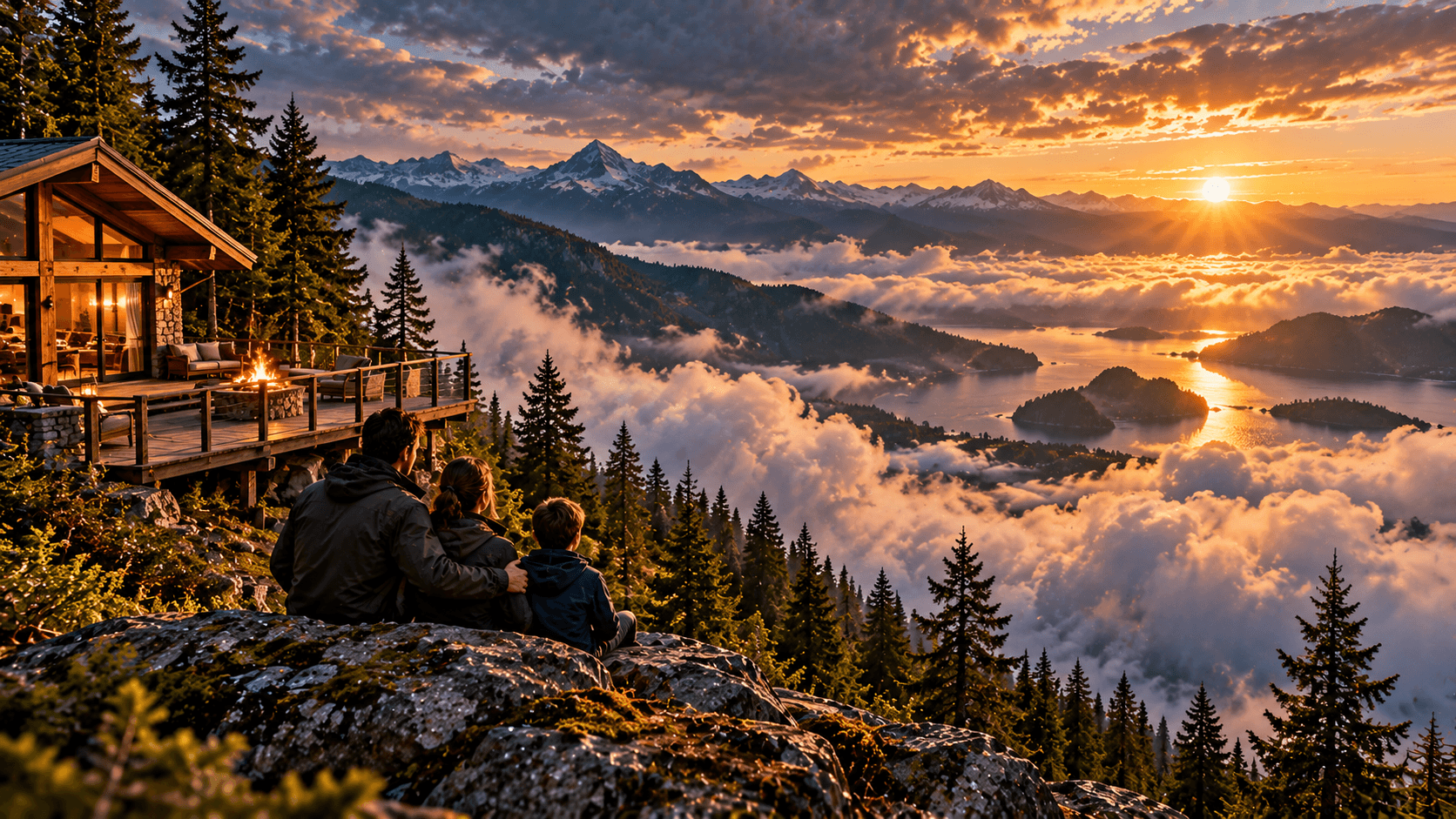
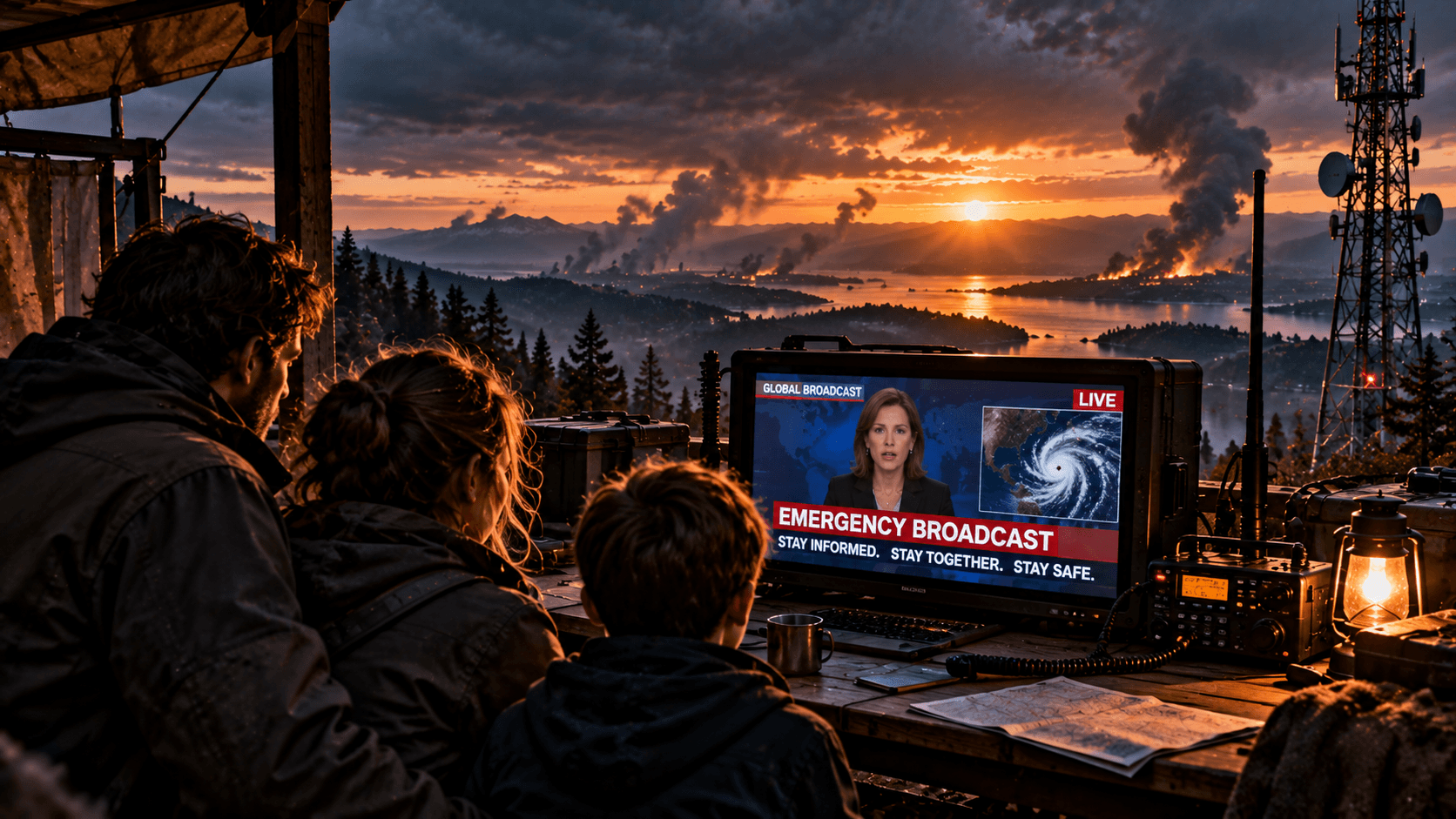
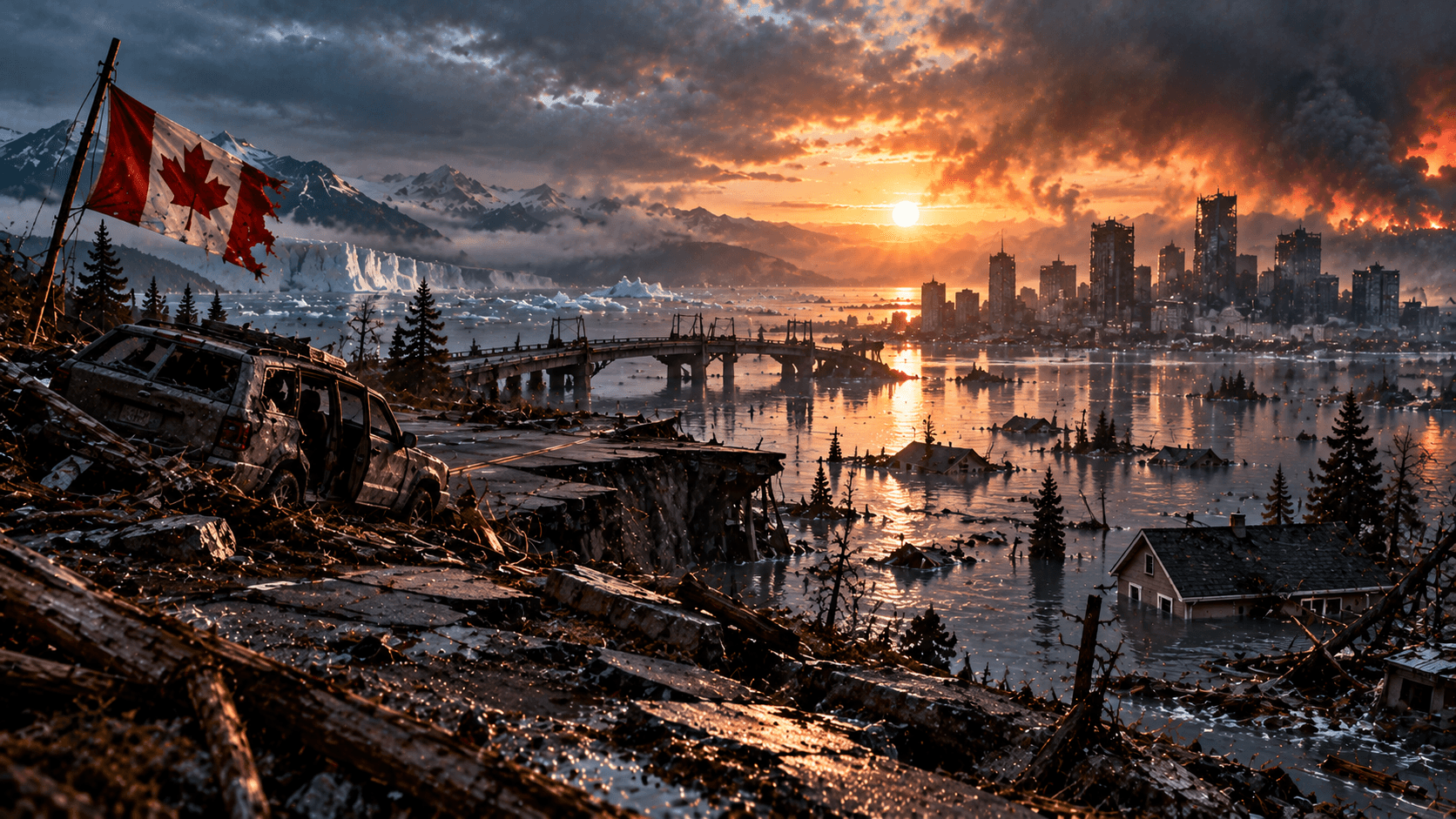
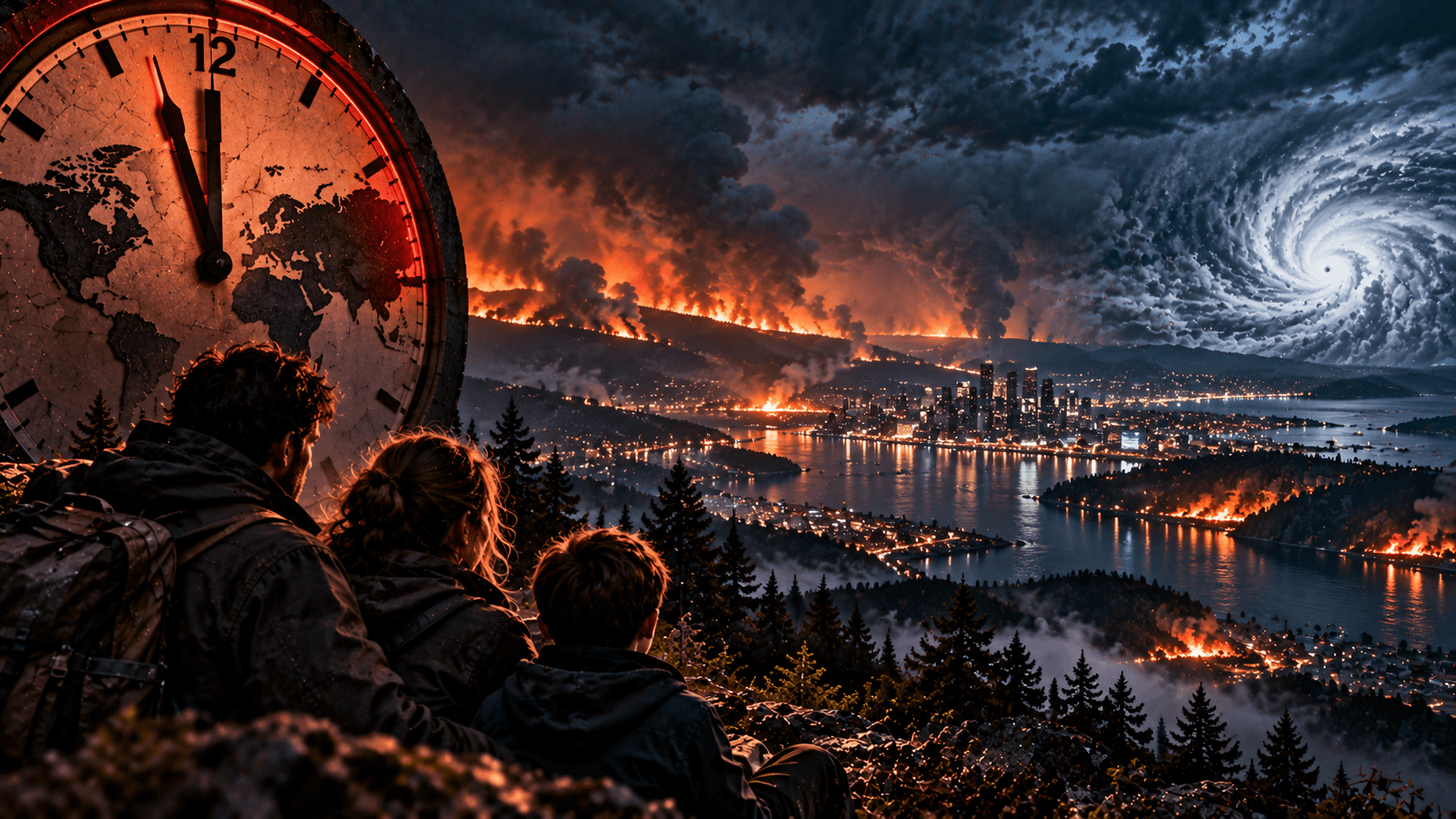
AI-generated illustration. Not a photograph of a real event.
SPECULATIVE FICTION — This dispatch depicts imagined events, including a nuclear attack. It is not a report of actual events.
The first sound was the scrape of a chair leg against concrete.
His son had moved it in front of the basement door without thinking, as though a chair could keep out what might be coming. The father watched him, then helped move a shelving unit against the wall instead. Neither said what both knew: the weight of furniture was not the measure of safety they needed.
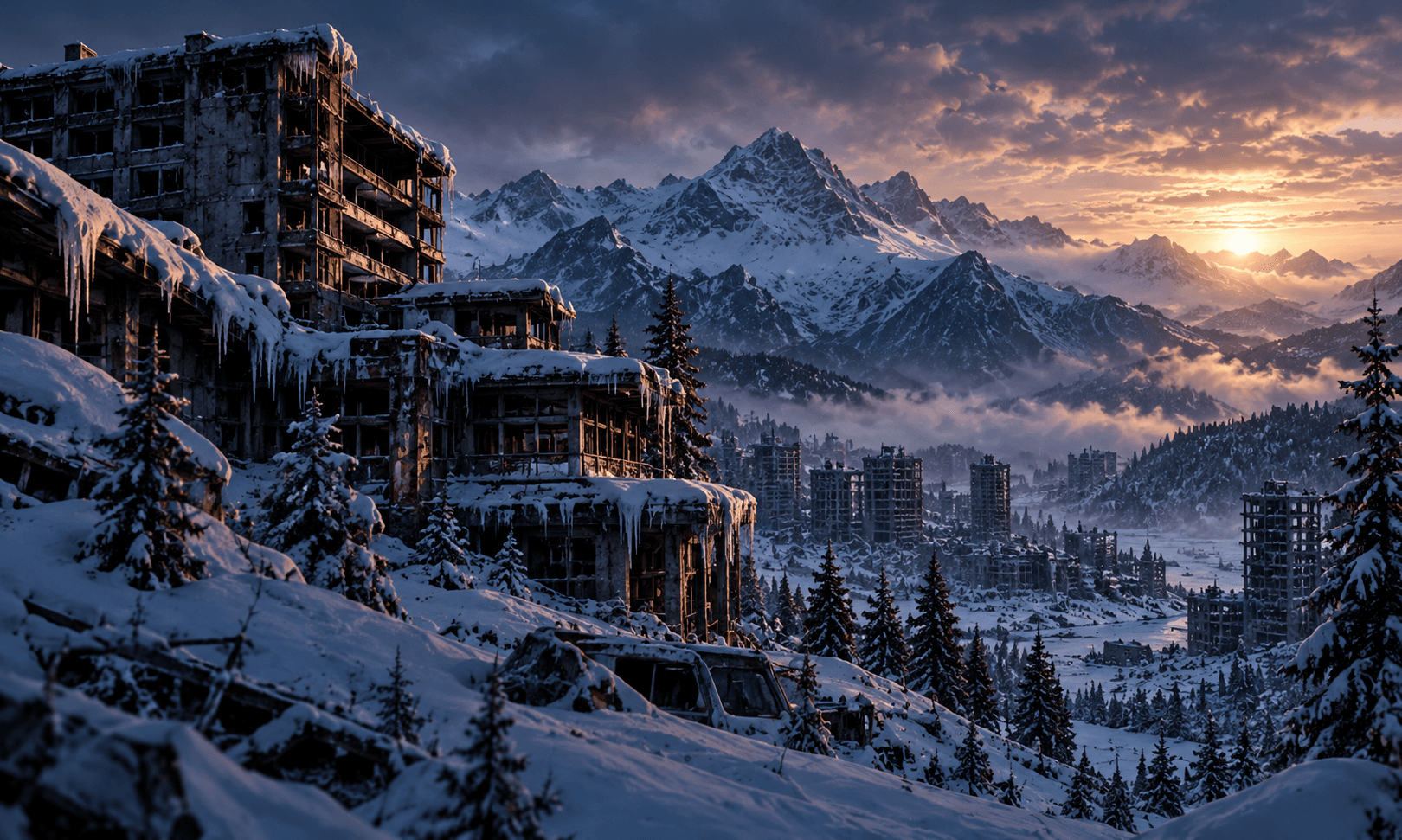
Above them, the hotel creaked in the wind. Below, the basement smelled of damp plaster, canned soup and the plastic of water containers. Their lamp threw a weak circle over a month’s worth of supplies, gathered from four empty buildings on a mountain that no longer seemed far enough from anything.
The daughter sat on a folded blanket with her knees drawn to her chest. Her brother kept turning the radio dial, stopping at every breath of static. The father asked him to leave it on the emergency frequency. For a while there was only a hiss. Then a voice emerged, thin and distant, reading a list of regions under alert. It faded before the list was finished.
“Did it say Calgary?” the daughter asked.
“I couldn’t tell.”
He had been trying to remember distances since the first rumors of nuclear strikes abroad. Calgary was an energy center, a city of pipelines, offices, people and homes; in his frightened calculations it had become a possible target. But he had no information about anyone’s actual target list. He did not know the size of a weapon, the direction of a strike, or whether the resort was one hundred kilometres from danger or several times that distance. The basement offered some shelter from fallout. It was not a promise against a blast, and he refused to turn an unknown distance into reassurance.
A second transmission came through. This time the voice was clearer, clipped and official-sounding: residents in portions of southern Alberta were advised to remain indoors and away from windows. The warning made no mention of an impact. It gave no estimated time. The son wrote down every word in the notebook they had been keeping since the coast.
The father checked the door at the top of the stairs, then came back down. They had water, food, a first-aid kit, flashlights and the radio. They had no way to verify the bulletin. He could think of ten more things they should have carried down, but none was worth leaving his children alone.
The son asked whether the warning might be false. His father said yes. The daughter asked whether it might be real. He said yes again. They stared at him, wanting a third answer, one that would make the first two impossible.
Instead he said, “We stay here.”
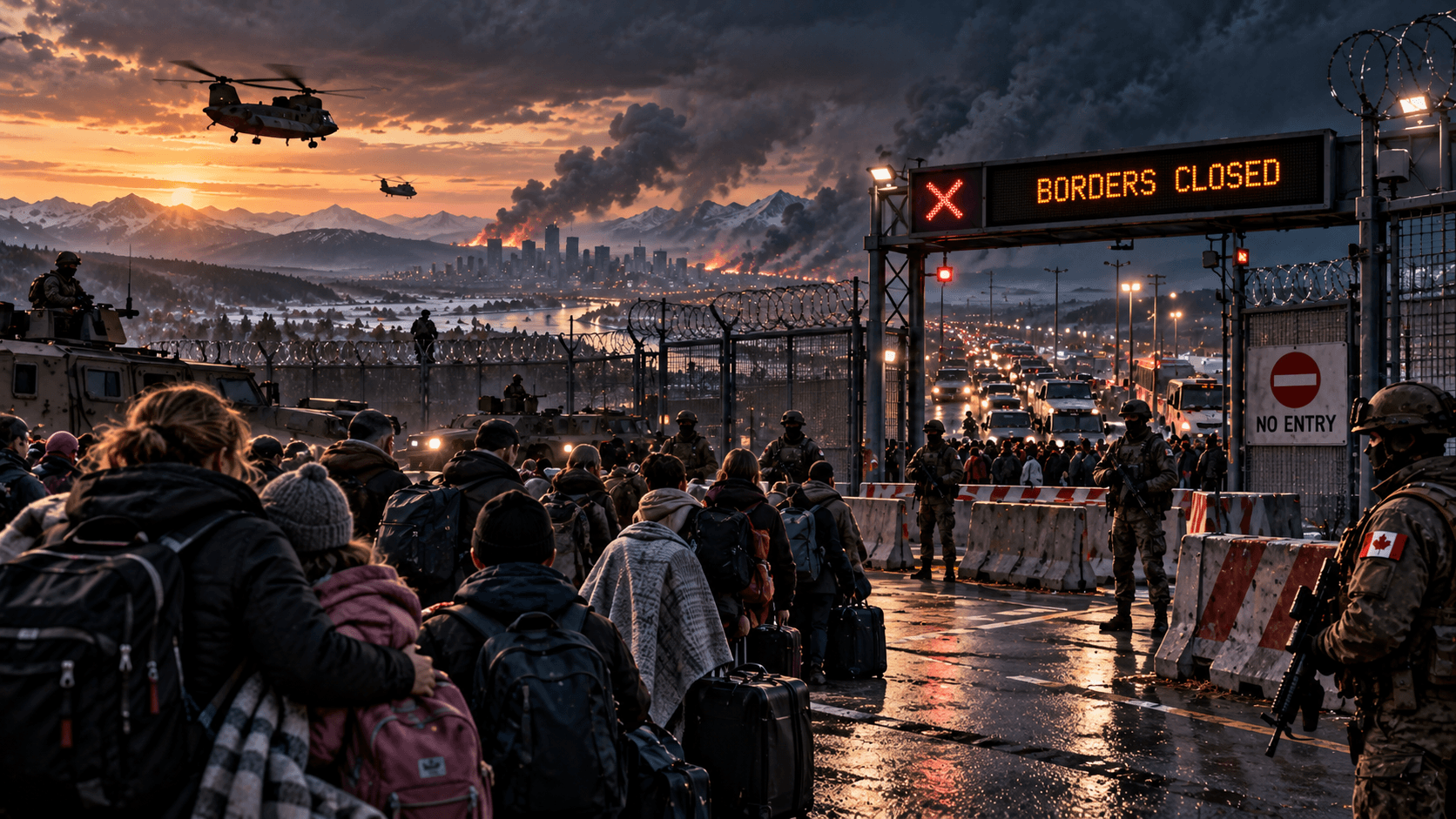
For an hour nothing happened. The radio brought a weather forecast recorded before the crisis, a song that stopped halfway through, then a voice speaking urgently in a language none of them understood. The son tried the small battery receiver from the first-aid building. It picked up a station reporting that military installations had been struck somewhere south of the border. A different voice claimed retaliatory launches were under way. Neither transmission identified its source or time. In a world where communication networks were breaking apart, every announcement had become both information and rumor.
The daughter began to shiver. The basement was cold enough that their breath was visible. Her brother took off his outer jacket and put it around her shoulders. She protested, then pulled it tighter. The father thought of the three cups of hot chocolate left on the kitchen table. He had never expected to miss something so ordinary with such force.
A deep vibration passed through the floor.
The lamp trembled. Dust sifted from a pipe bracket. All three looked up. The vibration lasted only seconds, followed by silence so complete that the father heard the pulse in his ears. It could have been distant thunder, a small earthquake, a heavy avalanche somewhere on the slope. He did not know. He had no instrument, no clear view of the sky, no reliable broadcast to tell him what had happened.
His son whispered, “Was that it?”
The father could not answer.
Then came a dull pressure against the building, less a sound than a change in the air. The lamp swung. Somewhere upstairs, glass shattered. The daughter cried out and the father pulled both children toward the interior corner, away from the stairwell. They crouched beneath the heavy table they had dragged down days earlier. A few seconds later the lights failed completely.
For a long time they heard only the settling of the building and the wind finding a new opening above them.
The father counted slowly to keep himself from calling every second an eternity. His son held the radio against his ear. The battery receiver emitted a low tone and then a burst of words: confirmed detonation, emergency management, remain sheltered. The signal vanished before naming a location.
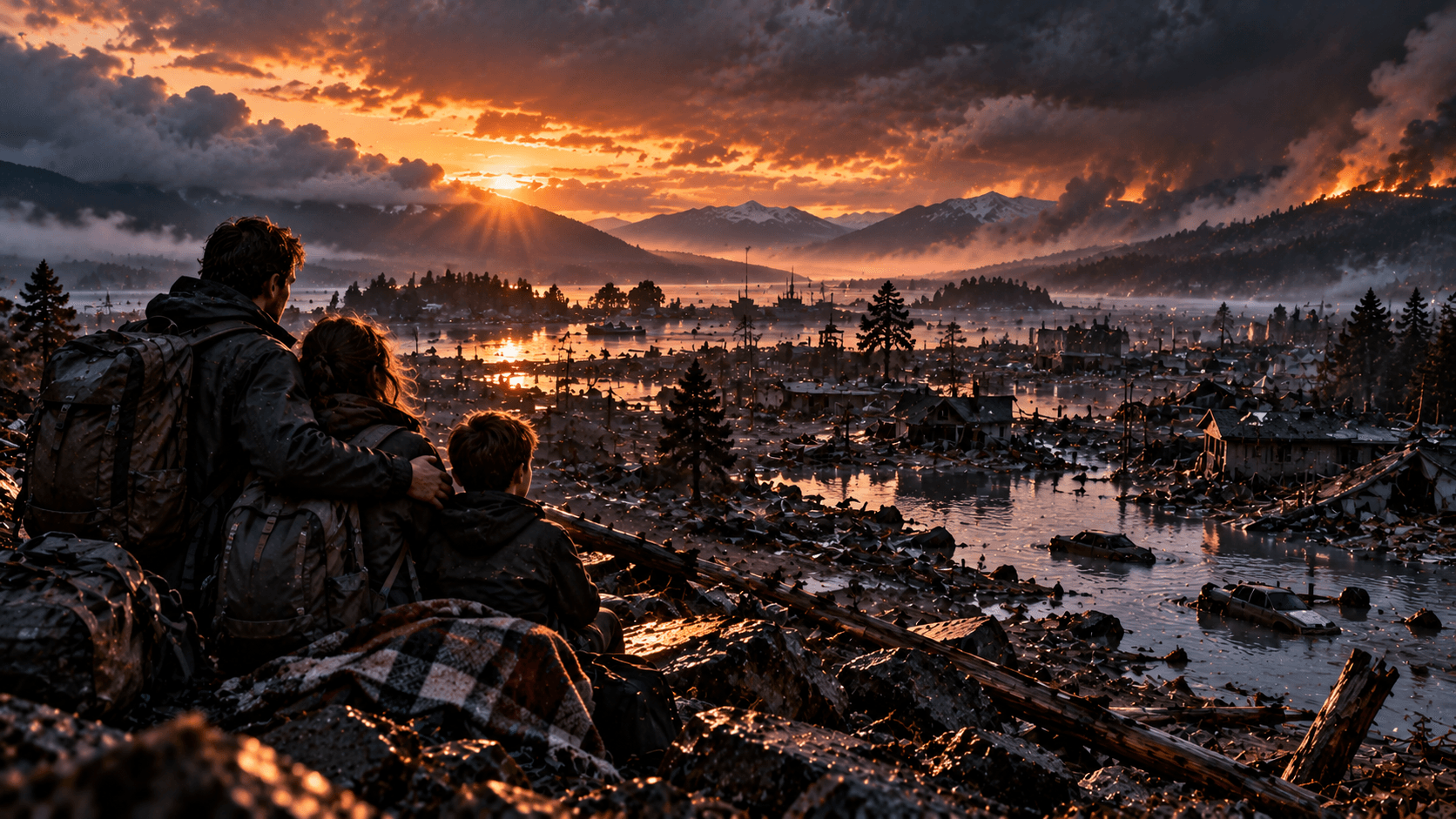
The daughter started to cry—not loudly, not in panic, but with the exhaustion of someone who had held fear in place for too long. Her father reached across the narrow space and took her hand. He took his son’s with the other. In the darkness, he realized he could not remember the last time the three of them had sat together without needing to decide where to run next.
Minutes passed. Or hours. The wristwatch on the father’s arm had stopped when he struck it against a railing during the climb. The son’s phone showed a time, but the battery was nearly gone and its clock had not synchronized for days. They no longer knew whether it was still the same evening.
At last a broadcast broke through, not from the station they had followed, but from a faint regional transmitter. It said an explosion had been reported in the Calgary area and that authorities were attempting to assess damage. The speaker repeated the instruction to remain inside and avoid exposure to outdoor dust. The report did not say whether the explosion was nuclear. It did not confirm casualties. It did not say whether other strikes were expected.
The father listened until the message repeated, then lowered the volume. He did not want his children to mistake a report for certainty. But he could no longer pretend that the warning had been only a rumor.
Above them, the building remained standing. That was all they knew about the world outside. The hotel might have lost windows, or part of its roof. The road might be buried. The SUV might still be hidden in the gully, or unreachable under fresh snow. None of those questions mattered as much as the one he could not answer: what had happened to the people below the mountain?
His son said they should check upstairs for damage. The father shook his head. Until they knew more, opening the building and moving through possible dust would add danger without giving them much useful information. They would conserve the batteries, keep the water sealed and wait for clearer instructions. It was a plan built from uncertainty, but it was a plan.
“Are we safe?” the daughter asked.
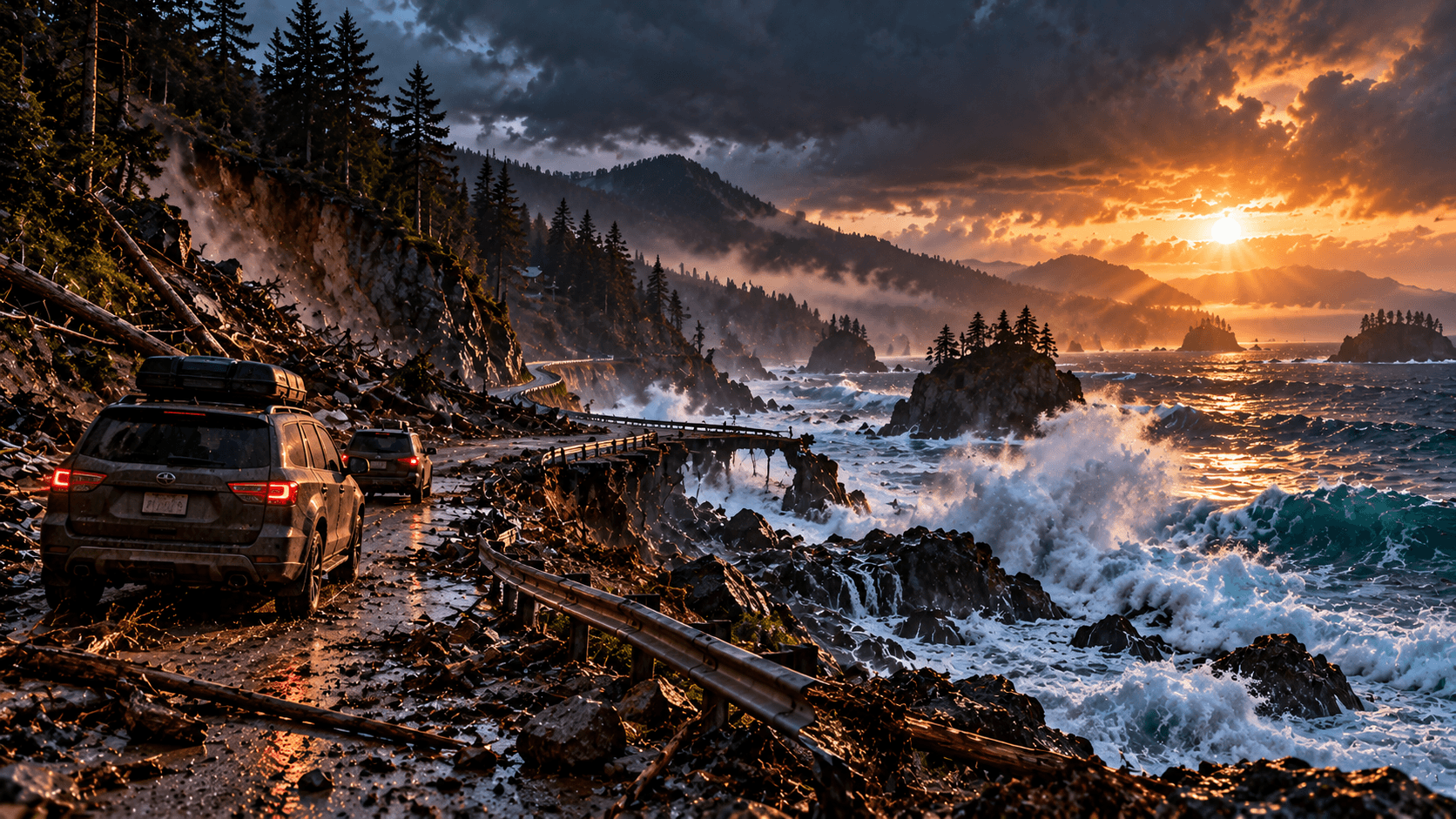
He had spent the entire journey trying to give her an answer she could live inside. On the coast, he had promised they would find a boat. On the island, he had promised they would get home. At the mountain, he had promised they would make it through winter. Each promise had carried them forward. This one he could not make.
“We’re together,” he said. “And we’re still here.”
The son leaned back against the concrete wall. The daughter closed her eyes. The father remained awake, listening for another announcement, another vibration, another sign that the world had not finished changing.
They had escaped the island, crossed the mountains and climbed above the last functioning road. They had found food, water, power and shelter. Yet none of those things could tell them whether tomorrow would come in the shape they remembered.
In the darkness beneath the hotel, the father understood the cruelest part of the catastrophe. The world had become so large in its violence that even the smallest act of love—keeping two children alive until morning—could feel beyond a person’s control.
He stayed awake anyway.
Editorial continuity note
This article is speculative fiction. The strike, emergency messages, and family are imagined. The family hears a report of an explosion near Calgary but cannot independently confirm its nature or effects. The resort remains standing; its condition and the fate of the wider world remain uncertain. No specific nuclear target likelihood or safe distance is asserted. Article 20 can address the aftermath and the series’ final moral question.